Evaluate
Start with condition, performance, and history
Older wells need context. The symptoms, age, usage, and site conditions all shape the next decision.
Older Well Evaluation
Older and underperforming wells deserve a serious look before anyone jumps straight to replacement. Rehabilitation may be the right move when the well still has useful life left in it.
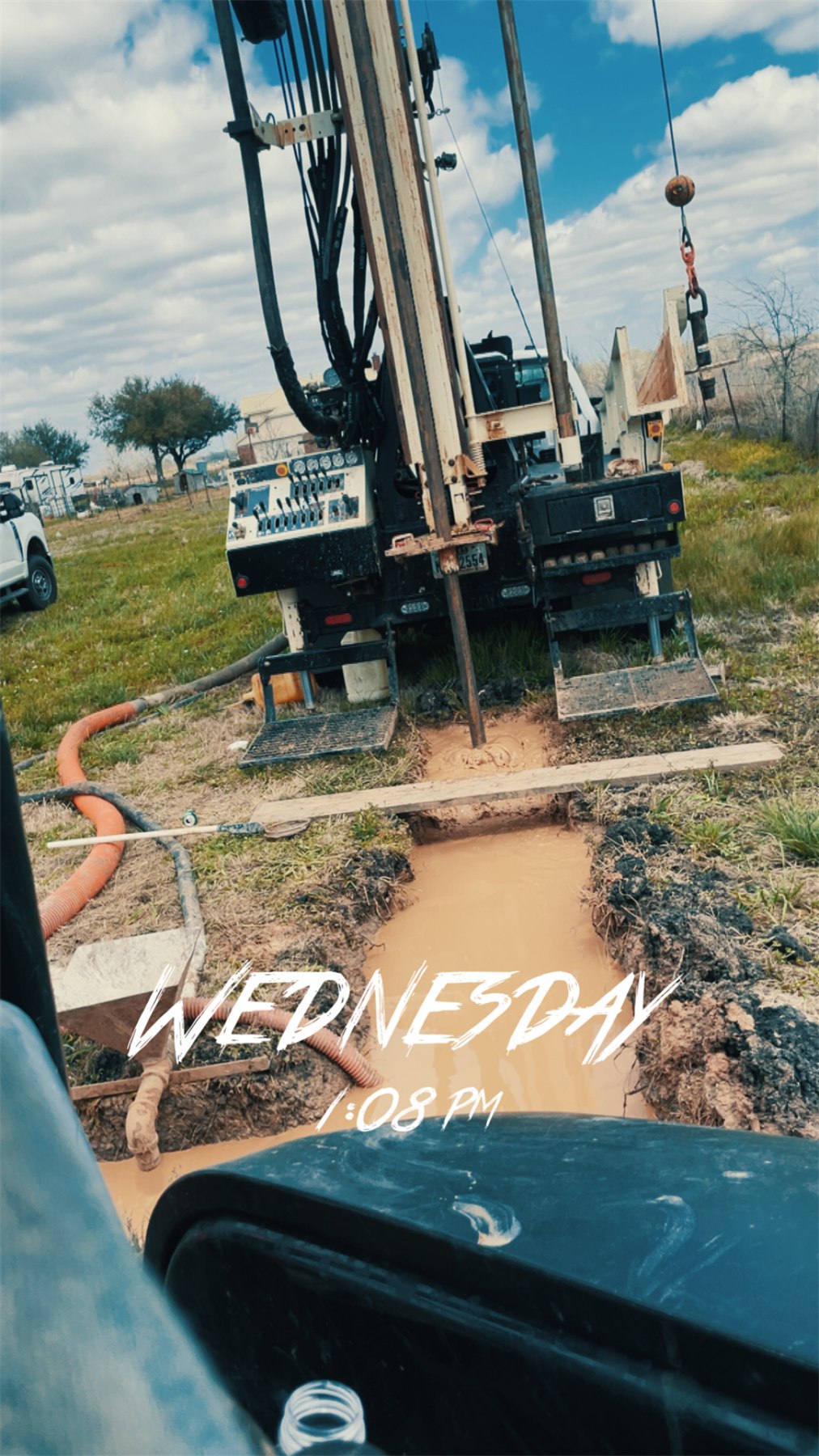
Know The Difference
Rehabilitation comes up when a well has lost performance, started causing repeat trouble, or no longer carries the property the way it should. The right answer depends on the well, the system, and the condition found in the field.
The goal is not to force one answer. The goal is to understand the well honestly and choose a practical path for the property.
Evaluate
Older wells need context. The symptoms, age, usage, and site conditions all shape the next decision.
Decide
Some issues are service calls. Others point to a well that may need rehabilitation or a larger plan.
Restore
When rehab makes sense, the work is focused on restoring dependable function and extending the useful value of the well.

Practical Next Steps
If an older well can be brought back, rehabilitation can be worth discussing. If it cannot, the conversation should be just as clear.
Talk Through The WellRehabilitation Questions
No. Some wells may respond to rehabilitation, some need repair, and some are ready for replacement.
Ask when the well has lost performance, creates repeat trouble, or is no longer keeping up with the property.
That is still useful to know. A clear evaluation helps separate routine service from a deeper well condition issue.